-
Reflective Narratives of the Digital Society — Internship project for DIGISOC students

EURIDICE announces a new Audio-Visual Communication action-research/design science internship for 2nd year students in the master “Digital Society, Social Innovation and Global Citizenship”. This internship is organized and will be supervised by four EURIDICE partners: Pangea, Leeuw Film, Babafla, AKMC, in close collaboration with filmmaker Albert Kuhn (Spain) and filmmaker Aleix Massot, director of the…
-
National Library (KB) starts new CULTURAI research project

Together with an international consortium of universities, knowledge institutions and cultural organisations, the KB has been awarded a grant of 5 million euros for the CULTURAI research project. This research lays the foundation for a unique international virtual Competence Centre for AI in the cultural and creative sector. From 2030, this knowledge centre will support…
-
PhD Summer School addresses Digital Humanism from the Global South Perspective
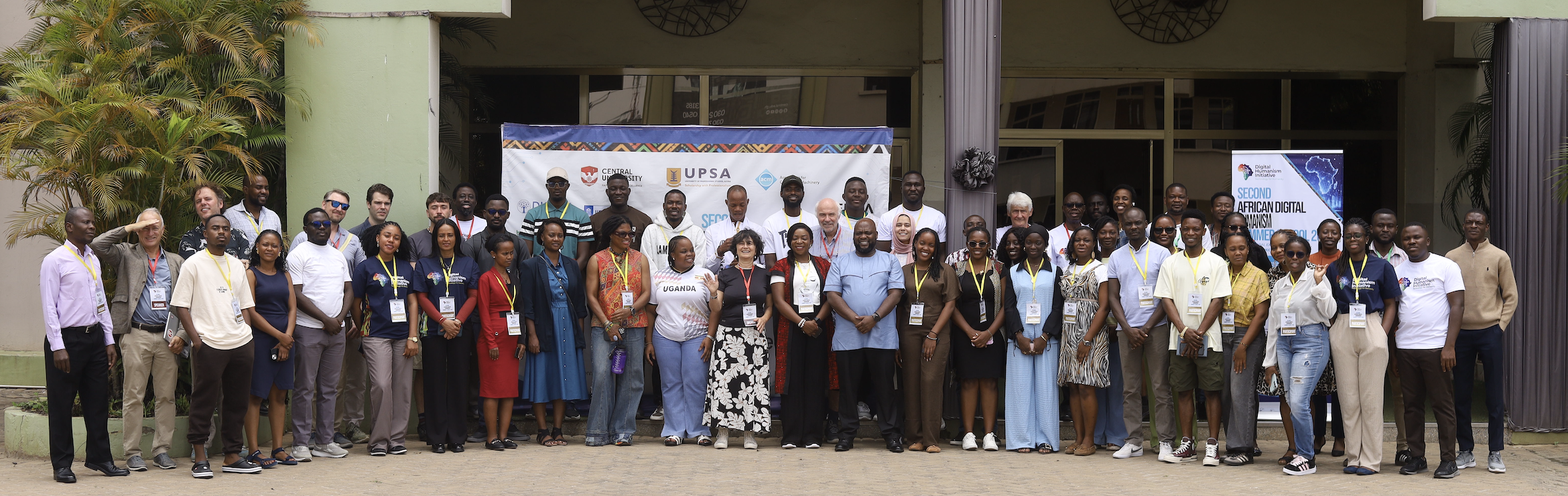
Accra, 6 September 2026, we just concluded, very successfully, the Second African Digital Humanism Summer School, one of the outreach events of the EURIDICE project, chaired by associate partner UDS. To this educational event, 61 PhD and post-graduate students from 11 countries have actively participated. From this group, 49 students fully completed all requirements of…