A film by Paolo D’ Angelo, Chiara Arreghini, Han Ninxin, Gideon Amakama Ali. 30 April 2026.
Set in the year 2457, the film, Dystopian World is a psychological sci-fi thriller that delves into the fragility of human identity within our hyper-connected world. The project is built upon a question “What if a mundane digital interface could facilitate an instantaneous, non-consensual identity swap between global citizens?”.
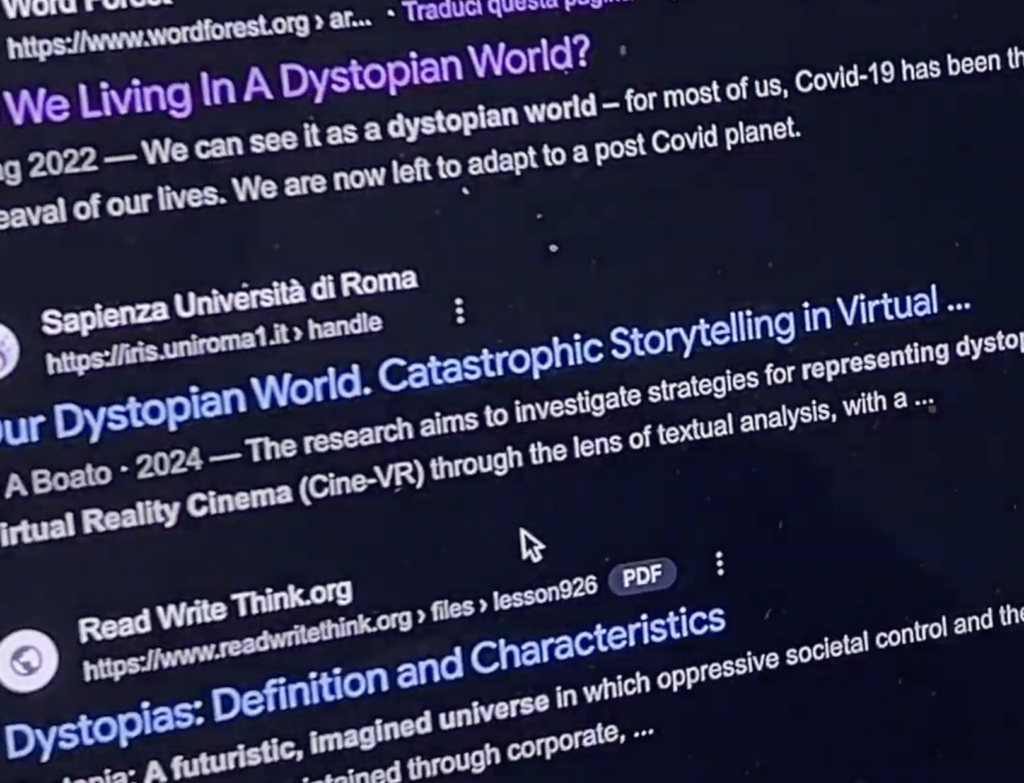
This narrative follows Mario, an Italian student who, suffering from warning fatigue, treats severe data compromise alerts with the same indifference we currently show routine cookie pop-ups, ultimately clicking “accept” on a mysterious website. This careless action triggers a digital shift that forcibly swaps his consciousness with a man in Ghana, setting off a chain reaction of global displacement.

The scenario serves as a critical reflection on modern digital literacy and what we call the “Cookie Paradox,” illustrating how our unquestioning acceptance of terms and conditions can literally strip us of our physical and cultural selves. By escalating a simple web click into a life-altering trauma, the film forces us to confront the dangerous normalization of trading our hidden personal data just to participate in the
virtual world, highlighting the “Illusion of Choice” where we surrender our agency to ambient intelligence.
The narrative explores the resulting consequences all the different layers of identity. The most immediate barrier the displaced characters hit is cultural; stripped of their native languages and unable to read their new environments, they lose all agency, and their identities quickly devolve into primal fear and isolation.
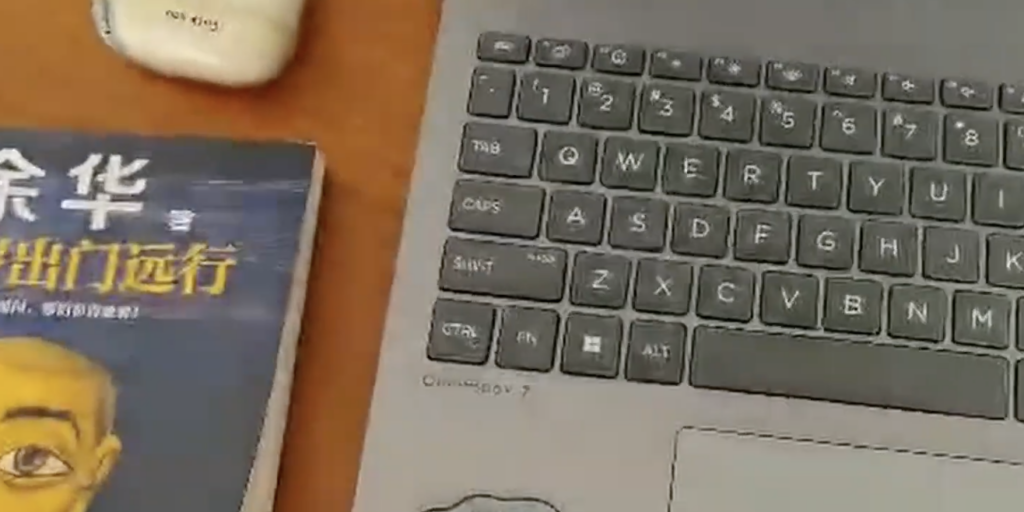
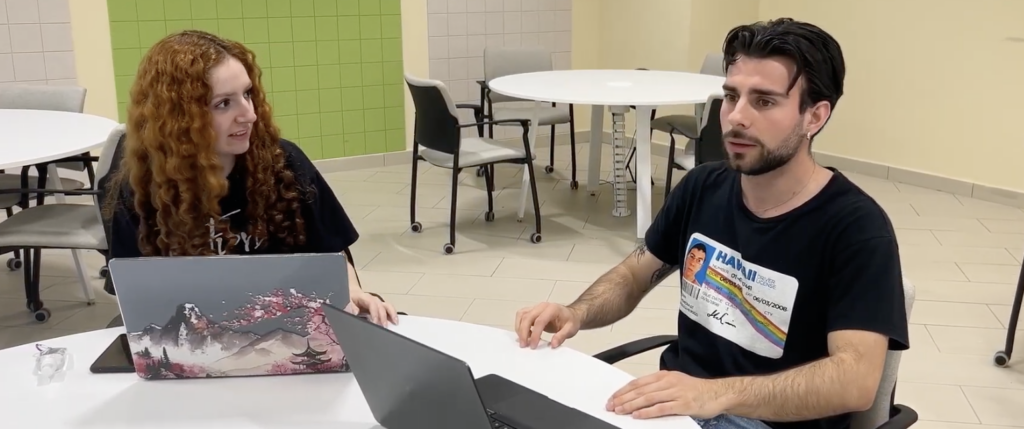
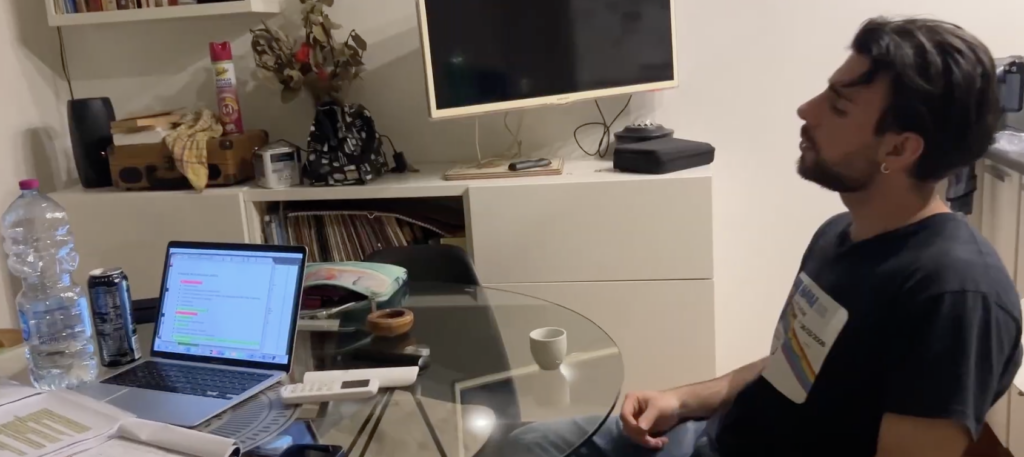
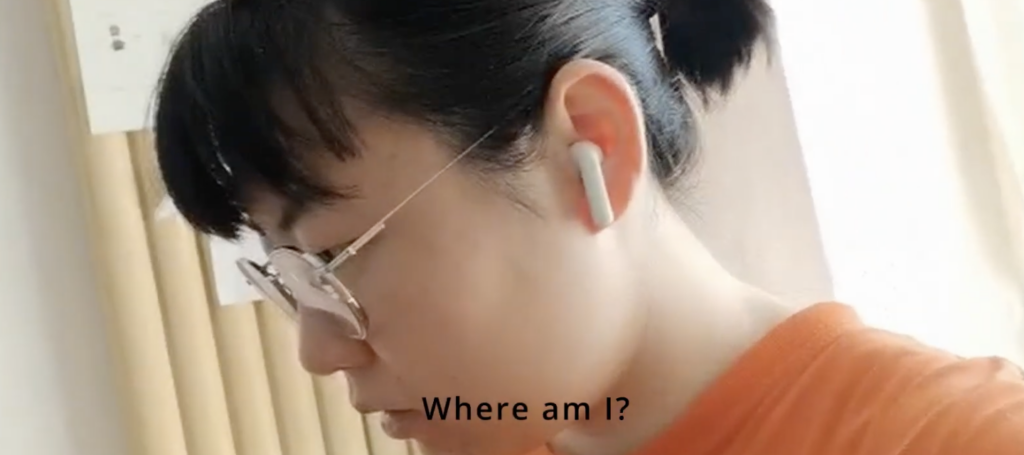
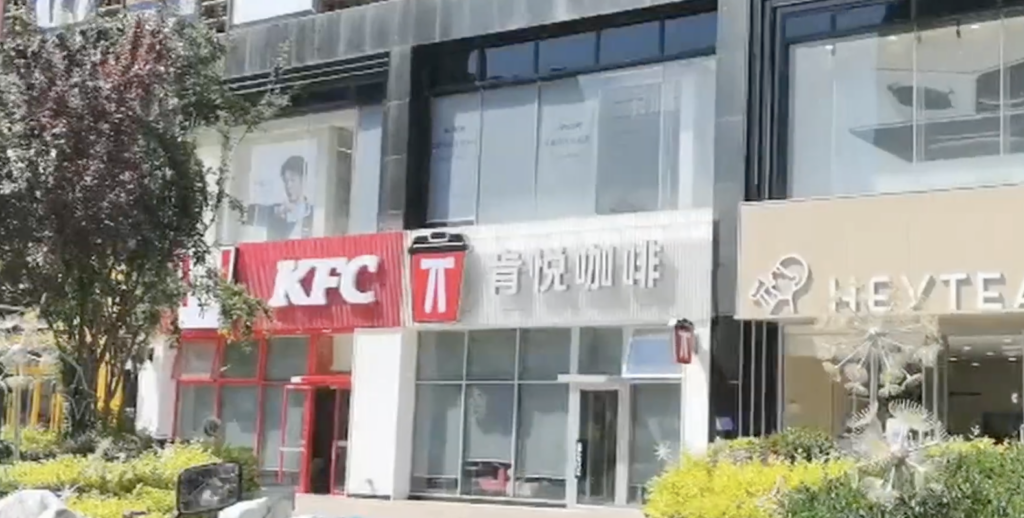
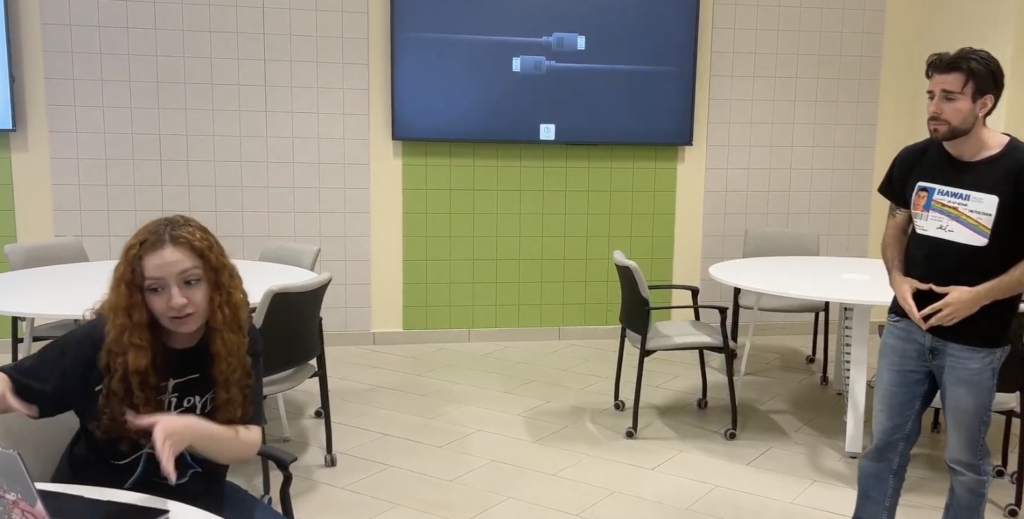
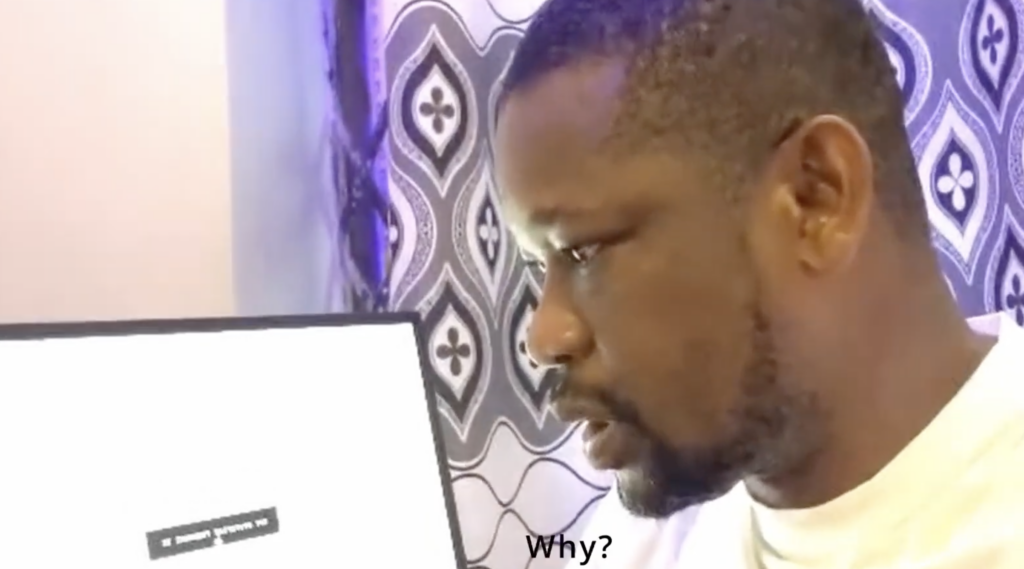
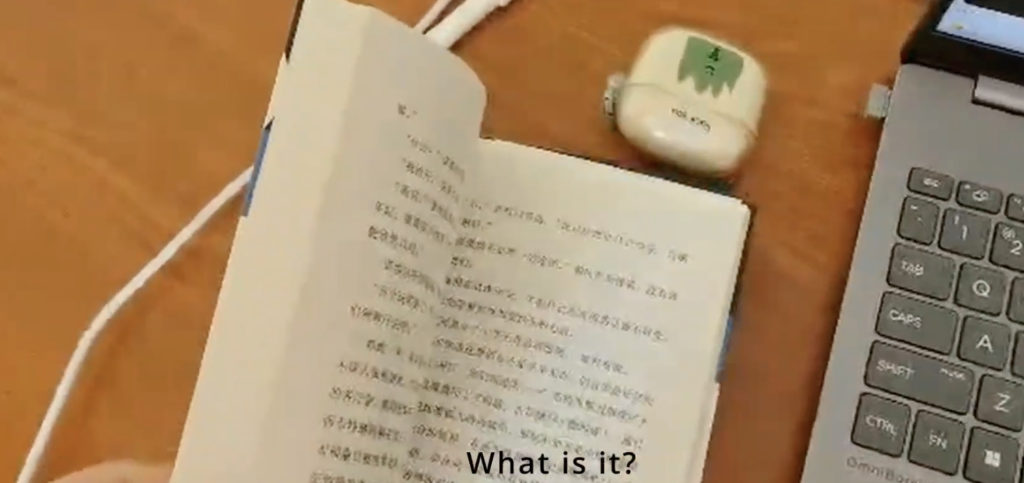
Beyond this loss of a cultural anchor, the film examines the profound social friction that arises when one’s internal reality (their “digital ghost”) completely misaligns with their new physical shell. Rather than celebrating the technology that connects us as a tool for true global citizenship, the swap subverts this ideal, turning the characters into global refugees who belong nowhere because their social labels no longer match their physical locations.
“Our creative process began by analyzing our initial interviews to find compelling themes for a sci-fi narrative, heavily drawing on concepts like the “Digital Ghost,” which was inspired by Han’s real-life experience of navigating Western academic systems from China and the resulting friction when a curated digital persona clashes with messy reality. We also integrated Gideon’s insights on the global divide,
visualizing the sociological paradox where instant technological connection simultaneously exposes vast chasms in language, infrastructure, and culture, alongside the “Illusion of AI” which was mirrored in Han’s own “half-trust” relationship with machines that cannot truly understand the human soul.”