
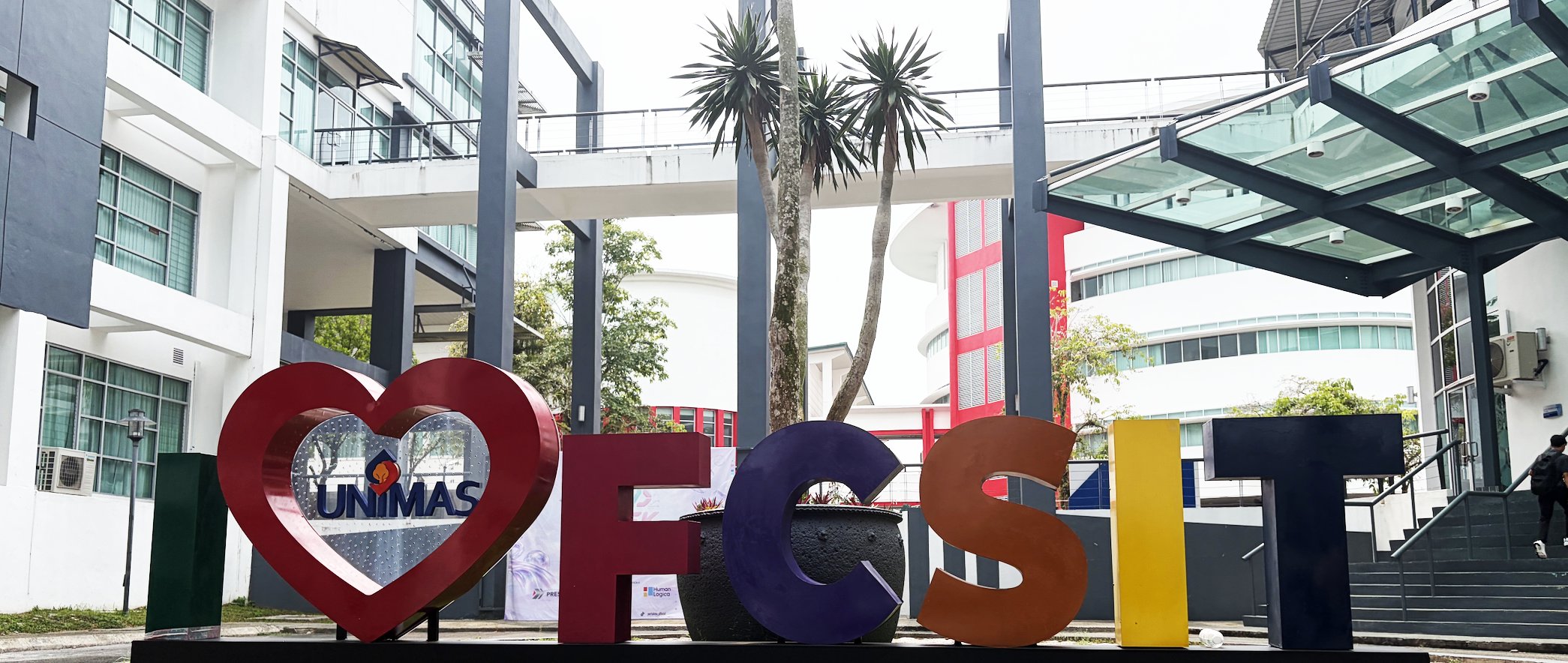
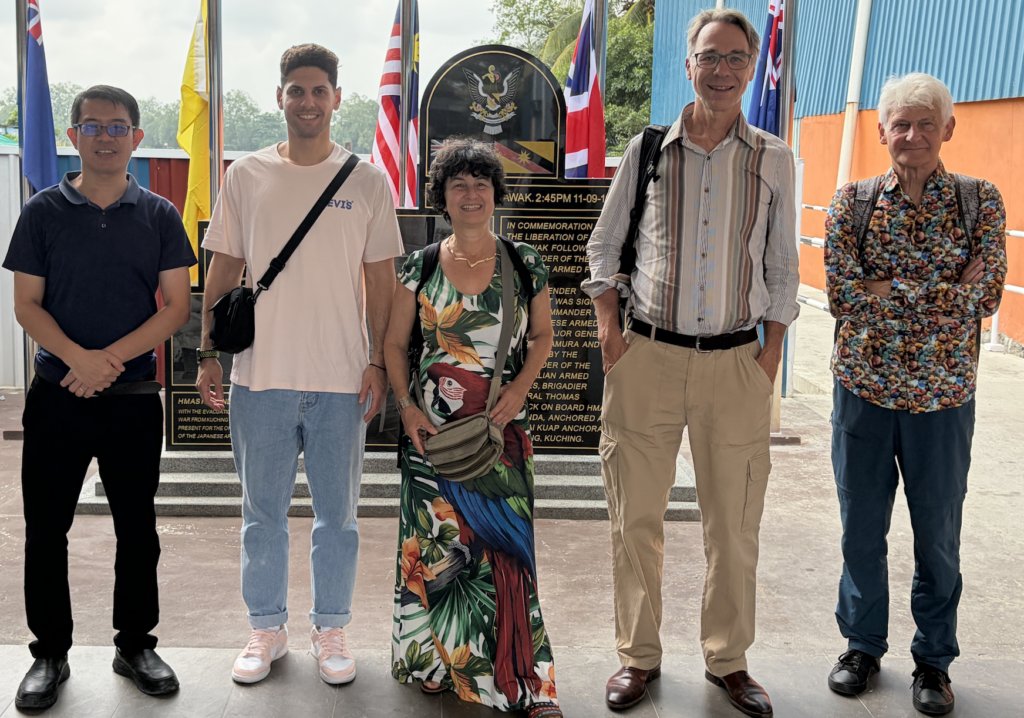
EURIDICE’s associate partner university in Sarawak, Malaysia: UNIMAS organized and hosted a week full of interesting events, all related to the EURIDICE project. The overall topic was on AI, Ethics and how this is shaping the Anthropocene. According to Wikipedia, this term refers to the period of time during which humanity has become a planetary force of change.
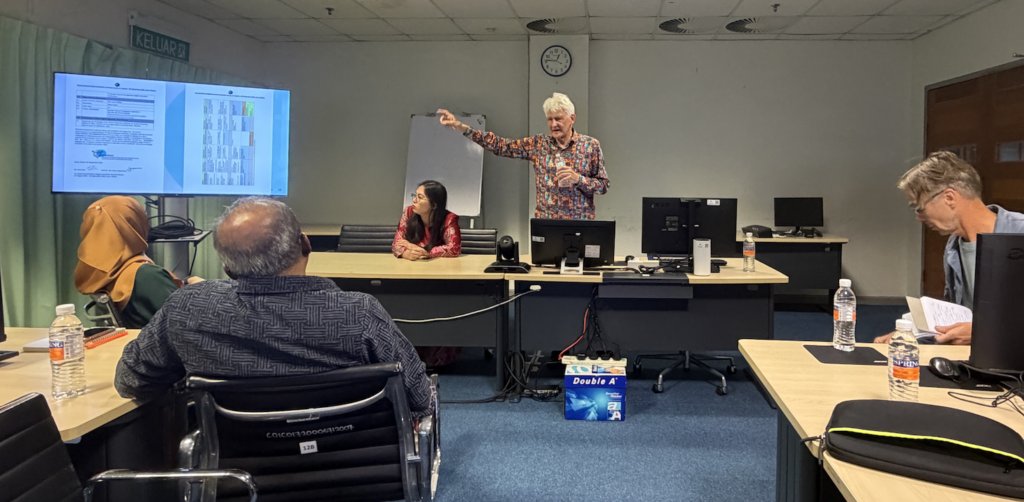
One of the impacts of human intervention, discussed in a lecture at UNIMAS by Prof Hans Akkermans (AKMC), has to do with the widespread influence of digital technologies and particularly of AI. He gave examples from the smart energy sector, in which he has worked, and in which AI as smart technology is of benefit for the implementation of distributed, renewable energy. But there is also reason for concern. Whereas digital technologies could help address major challenges, as have been formulated as the United Nations’ Sustainable Development Goals, e.g. on SDG7 (Sustainable Energy), SDG8 (Decent Work), SDG10 (Reducing Inequalities) and SDG16 (Peace, Justice and Strong Institutions) the expected impact of AI is not always only positive.
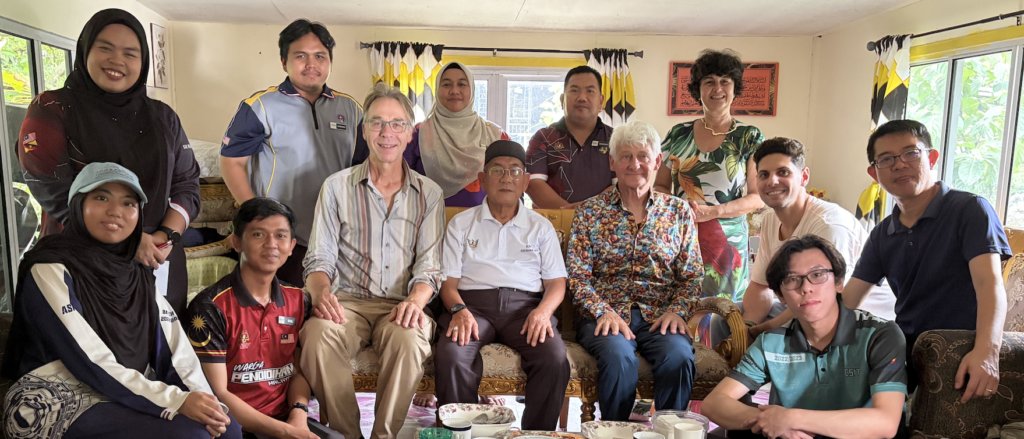
These and other issues were presented in a two-hour lecture and discussed in several fruitful meetings with lecturers, students and staff members from UNIMAS, and EURIDICE partners of AKMC, and Pangea and with Sjoerd Kluiving, associate professor from VU Amsterdam, during this fruitful visit aimed at strengthening collaboration. The student organization of Faculty of CS & IT welcomed us warmly and the Chair of the students association kindly introduced the invited speakers to the audience. From the Faculty’s Dean, Prof. Dr. Jane Labadin we kindly received the Faculty’s token of appreciation. After the lecture we also started discussing microcredentials and its use in the EURIDICE context. We made plans for further co-lecturing and co-supervision of students.
During the week there were meetings the Sarawak Unesco Delta Geopark and the Geological Federal Department. Both meetings aimed at strengthening EURIDICE’s international ecosystem, providing possible new opportunites for future projects, an UNITWIN network under patronage of UNESCO, and student internships aiming towards sustainability of EURIDICE beyond the project period.
The Sarawak Unesco Delta Geopark was very interested in establshing a link with the Dutch-Belgian Unesco Delta Geopark, which is an initiative of VU geologist and anthropocenologist Dr. Sjoer Kluiving. Even in this Geoparks’ setting, the ethical and sustainable use of AI popped up as a possibility for training, and we made plans to expand our collaborative networks.
The EURIDICE visiting team is very thankful for the excellent organization of the week by Dr. Cheah WaiShiang, associate professor of software engineering at the Faculty of CS & IT.
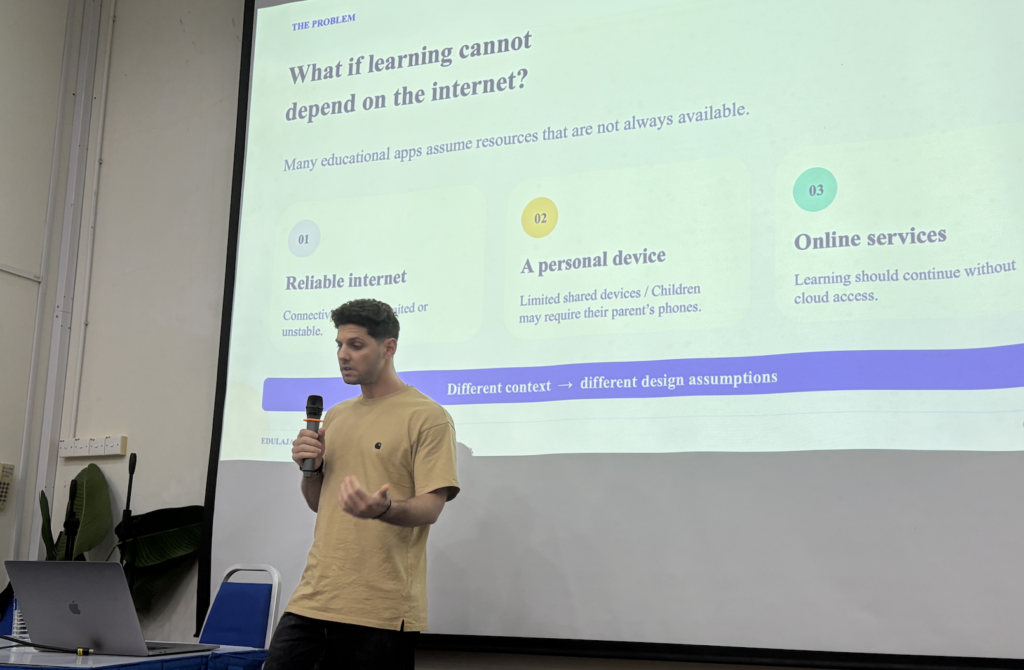
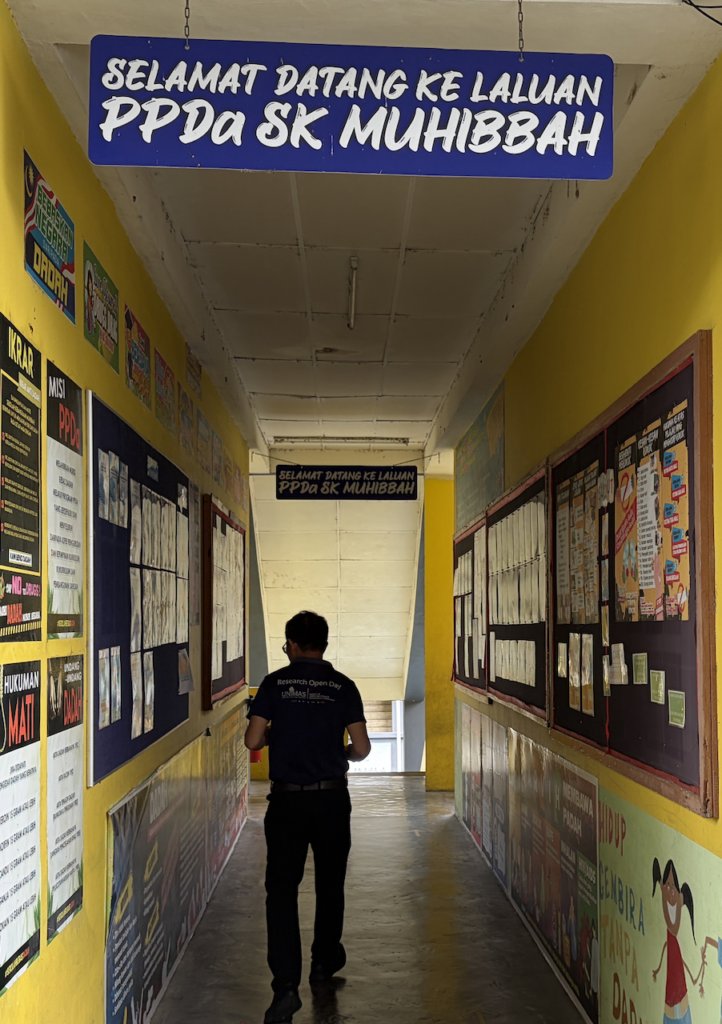
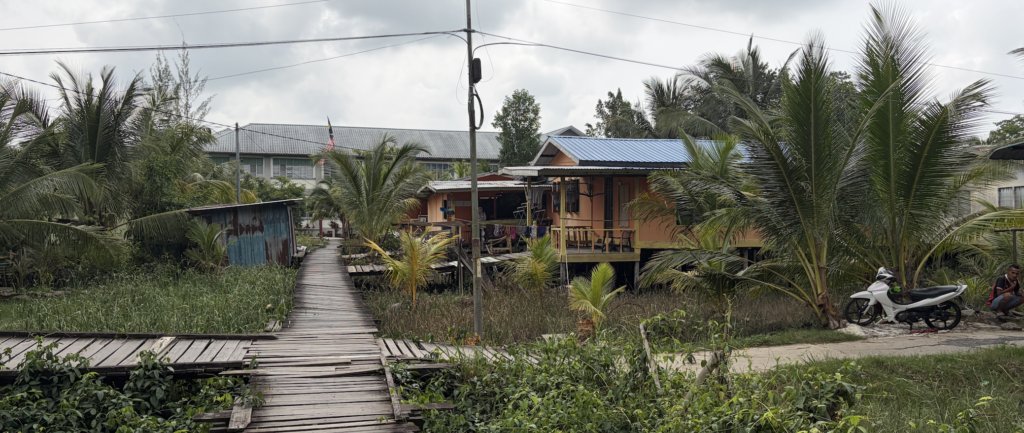
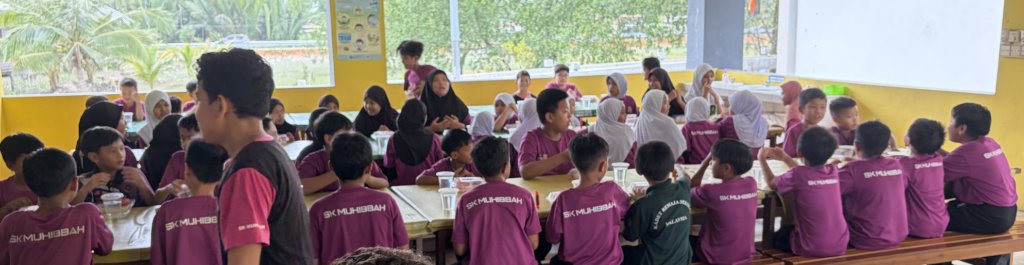
During the week the teams visited two communities in the neighborhood of Kuching: Kampung Pinggan Jaya and Kampung Muhibbah. These communities have a longstanding relationship with UNIMAS in Community Service Learning (CSL). Students from UNIMAS have to fulfill a module in all studies to do a CSL internship in one of the various sub-urban or rural communities. One of our EURIDICE’s students, Nikolaos Basmatzidis, who is currently finishing his master’s research project, did an ICT4D research in this context. He presented his thesis, which includes a case study for Kampung Muhibbah, to a large student and staff audience at UNIMAS. This thesis will be published soon.
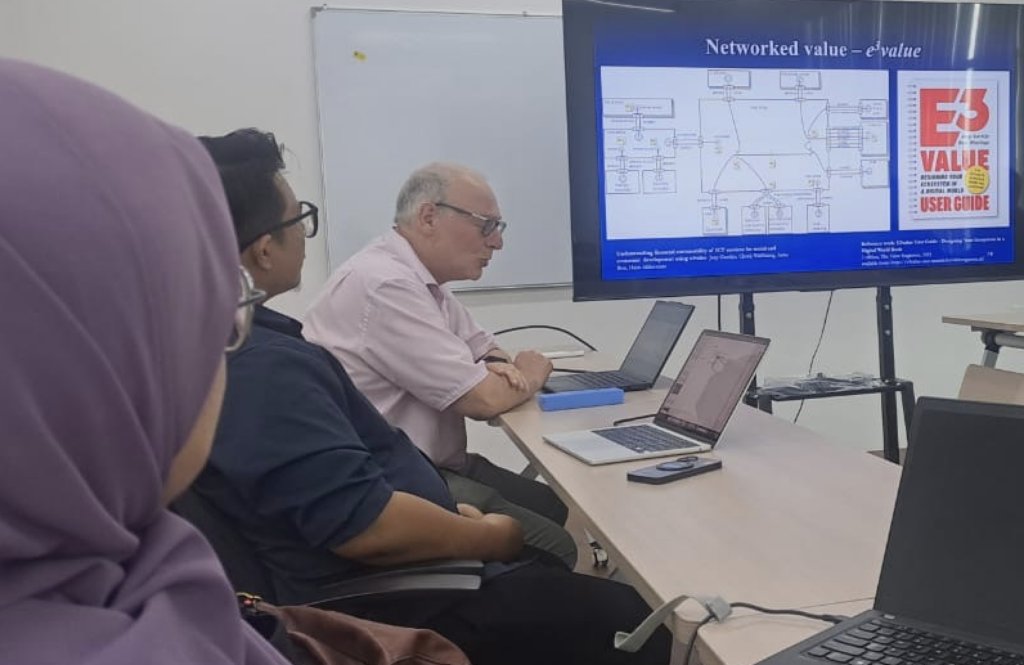
In the same week (19-23 October 2026), two researchers from another EURIDICE SME: The Value Engineers gave a workshop and lecture on e3 value and business modeling at UNIMAS. Unfortunately the two events could not be combined, but it shows the dynamic networks that exist between the various EURIDICE partners.
The last day of the visit a meeting was held with another EURIDICE partner: associate professor Ting Kung Chuang, who is at I-CATS, the Dean of the Faculty of Computing & Software Engineering. It was discussed how we could make EURIDICE courses online available for students of I-CATS, and how we could strengthen our collaborations. To be continued….
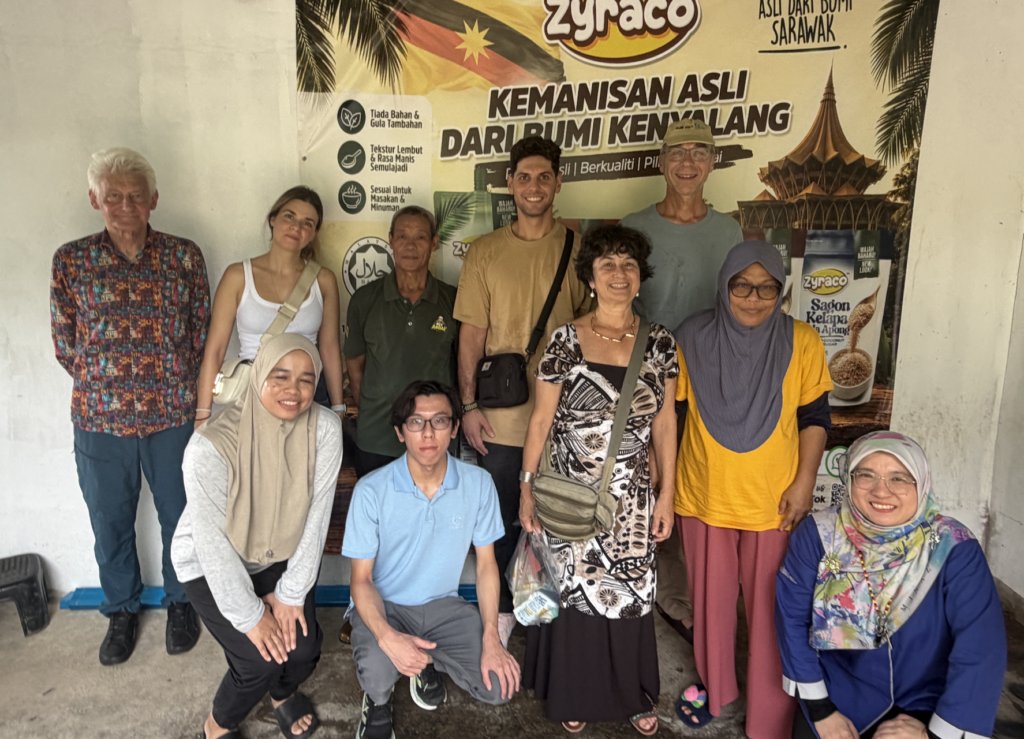
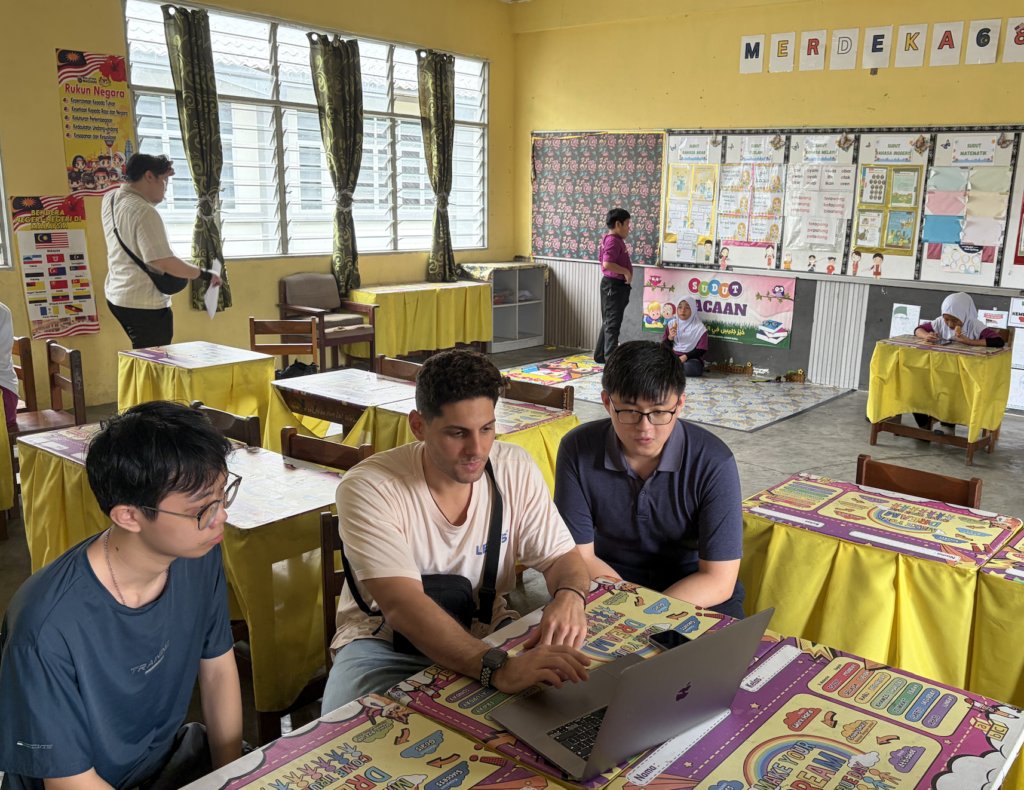
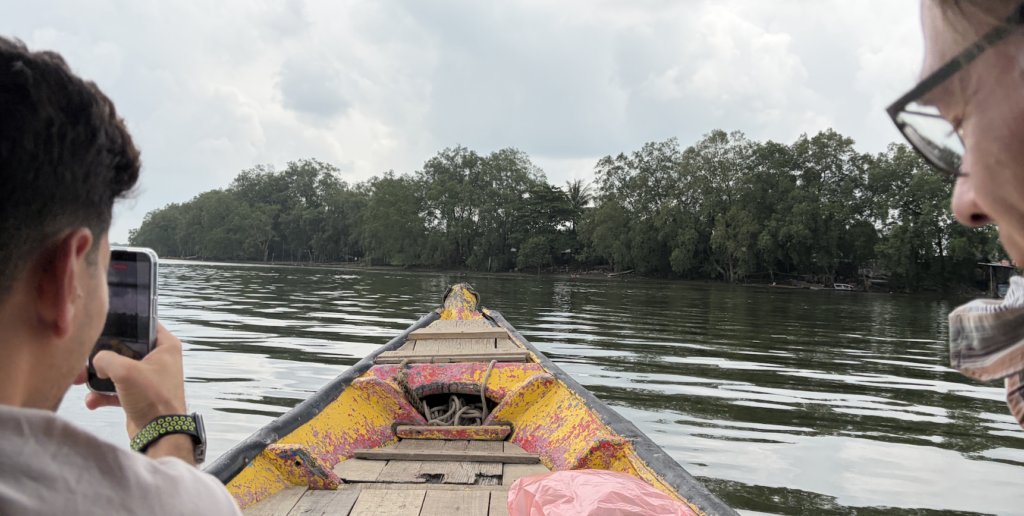
This visit has been realized through a fund from ERASMUS in the KA 171 programme for staff mobility. No funds of EU-DEP EURIDICE were used to cover the costs. The meetings contributed to dissemination (WP7) and ecosystem (WP8), consolidating and expanding our partner networks.